
site-AAZgPA
Healthy snacks on-the-go: quick and nutritious options
Busy lifestyles can make it difficult to eat healthy snacks throughout the day. However, there are a number of quick and nutritious options available that can help you stay energized and focused.
Here are a few tips for choosing healthy snacks on-the-go:
- Look for snacks that are high in protein, fiber, and healthy fats. These nutrients will help you feel full and satisfied, and they will also provide your body with the energy it needs to function properly.
- Avoid snacks that are high in added sugar, unhealthy fats, and processed ingredients. These foods can lead to weight gain, health problems, and energy crashes.
Here are a few ideas for healthy on-the-go snacks:
- Fruits and vegetables: Fresh fruits and vegetables are a great way to get your daily dose of vitamins, minerals, and antioxidants. They are also portable and easy to eat on the go. Some good options include apples, bananas, oranges,carrots, celery, and cucumbers.
- Nuts and seeds: Nuts and seeds are a good source of protein, fiber, and healthy fats. They are also portable and non-perishable, making them ideal for on-the-go snacking. Some good options include almonds, walnuts, pistachios, sunflower seeds, and pumpkin seeds.
- Yogurt: Yogurt is a good source of protein, calcium, and other nutrients. It is also filling and satisfying. Choose plain yogurt whenever possible, and avoid flavored varieties that are high in added sugar.
- Hard-boiled eggs: Hard-boiled eggs are a good source of protein and healthy fats. They are also portable and easy to eat on the go.
- Whole-grain crackers or cereal: Whole-grain crackers or cereal can be a good source of fiber and complex carbohydrates. Choose whole-grain varieties over refined grains, and avoid varieties that are high in added sugar.
- Trail mix: Trail mix is a convenient and nutritious on-the-go snack. You can make your own trail mix by combining nuts,seeds, dried fruit, and whole-grain cereal.
- Energy bites: Energy bites are a healthy and portable snack that can be made with a variety of ingredients, such as oats,nuts, seeds, dried fruit, and honey.
- Protein bars: Protein bars can be a convenient and nutritious on-the-go snack, but it is important to choose wisely. Look for protein bars that are made with whole ingredients and that are low in added sugar.
By keeping a few healthy snacks on hand, you can always have something to eat when you are on the go. This will help you stay energized and focused throughout the day, and it will also help you make healthier choices overall.
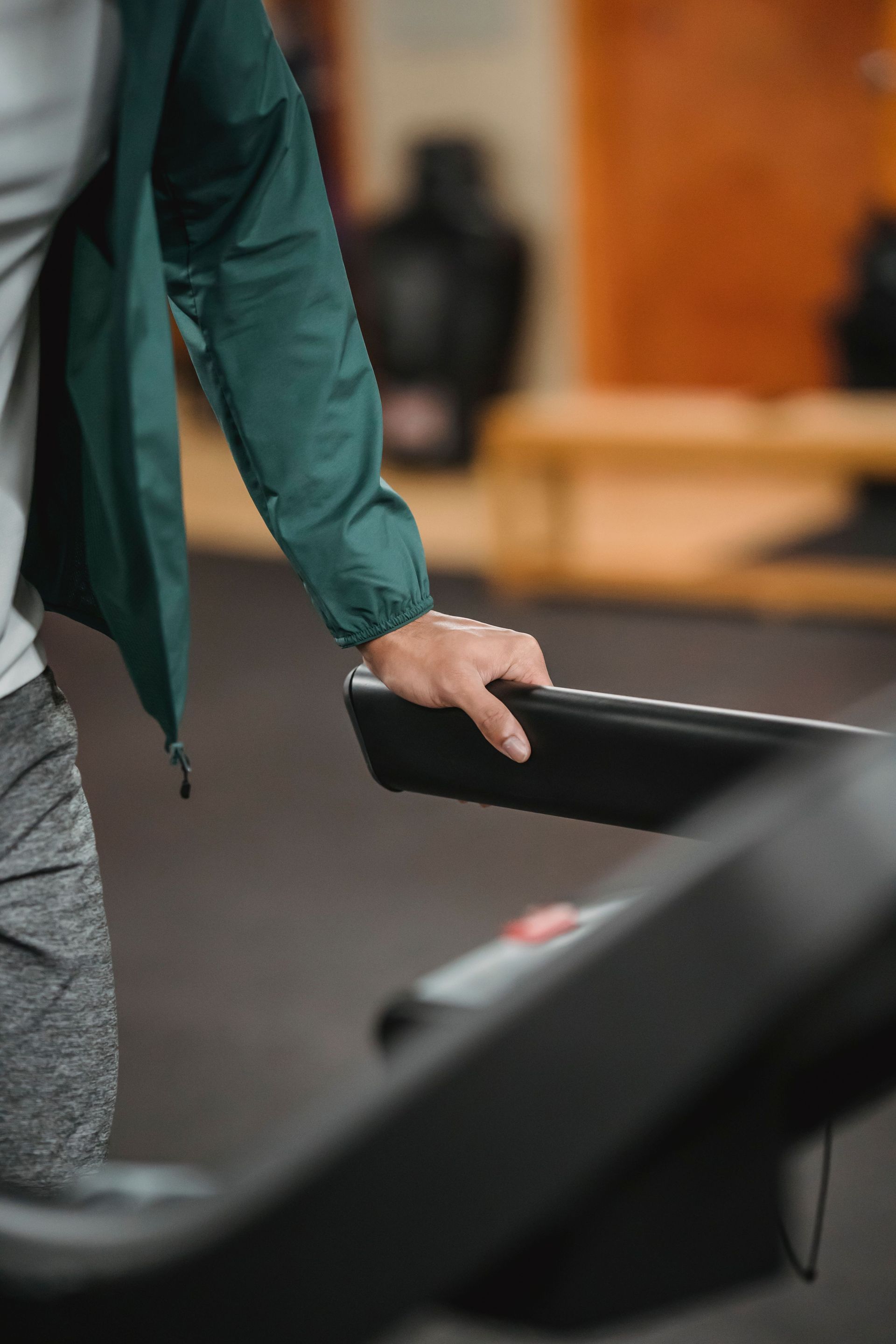
Holding the treadmill rails isn't always cheating, but leaning back on an incline can take away much of the extra work. Here's how to let go safely.

Getting back in shape as a former athlete is harder than it looks. Coach Jeff shares 7 lessons and a simple plan to restart without overdoing it.
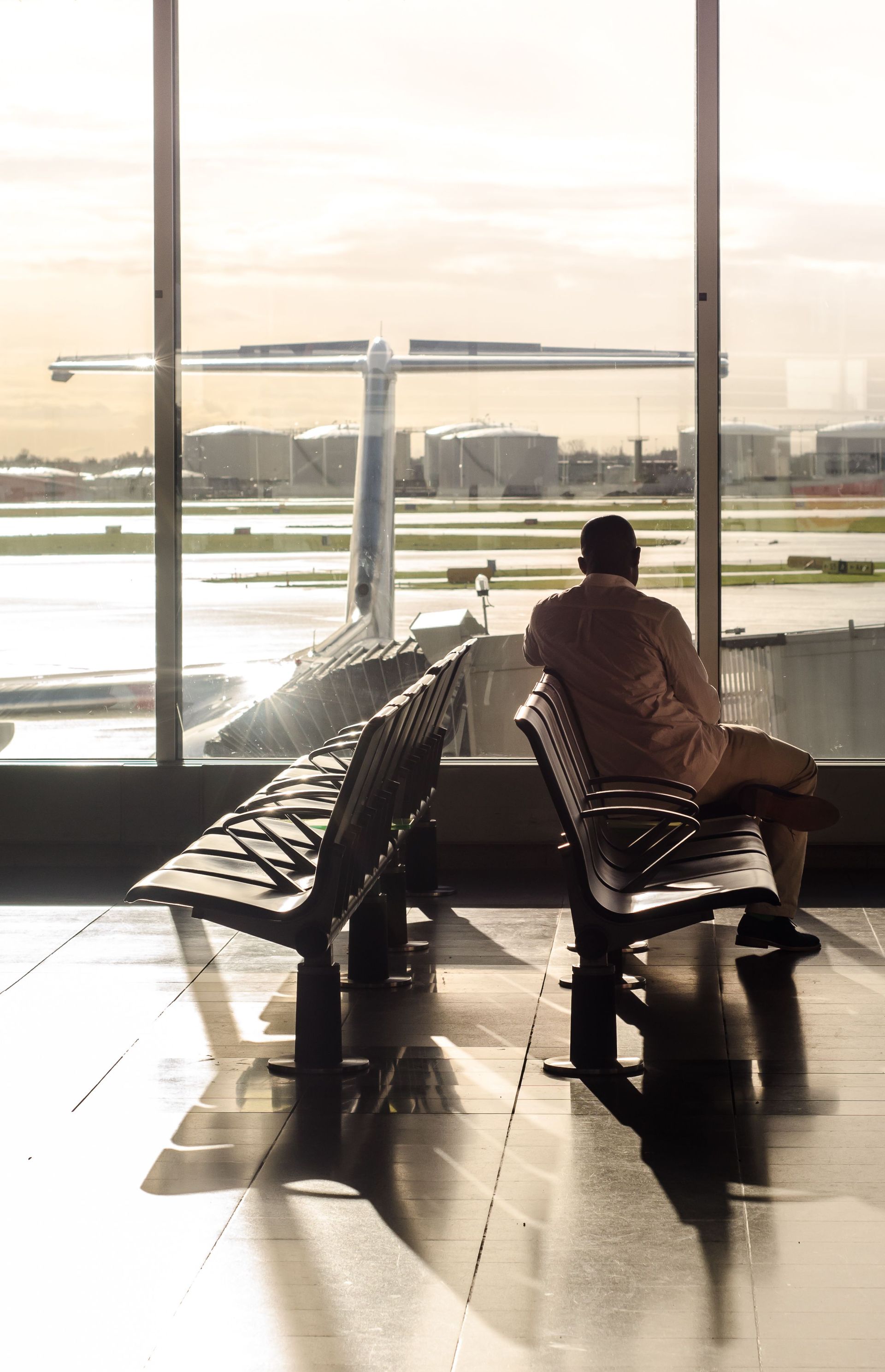
If you travel for work, you already know the cycle. You build a little momentum at home. Workouts feel good. Your clothes fit better. Then a trip shows up on your calendar, and you already know what's coming. Four days of hotel food, missed workouts, and "I'll get back on track when I'm home." Then you get home tired, jet lagged, and behind on everything else, so the reset takes another week. Then another trip gets booked. This isn't a discipline problem. It's a system problem. You've been trying to bring a home routine into a life that isn't home, and it was never going to hold up. Let's fix that. Why Business Travel Wrecks Your Fitness (And Why It's Not Your Fault) Travel doesn't just remove your gym. It removes almost every default you rely on without realizing it. At home, you have your own kitchen, your own schedule, your own bed, and a gym you already know how to use. On the road, all of that disappears at once. You're eating out for every meal. Your sleep schedule shifts. Your workout window gets swallowed by meetings, flights, and dinners you didn't plan. And the mental energy it takes to make good decisions in an unfamiliar city adds up fast. This is why "just be disciplined" doesn't work here. Discipline is a limited resource, and travel drains it from every direction at once. You need less reliance on willpower, not more of it. Motivation and willpower are the least reliable tools you have. Travel just exposes that faster than normal life does. The Real Goal on the Road Isn't Progress. It's Not Losing Ground. Here's the mindset shift that changes everything. When you're traveling, your goal should not be to crush a perfect week. Your goal is to protect what you've already built so you come home the same person who left, not three steps back. That's a completely different standard, and it's a lot more achievable. Most professionals treat travel as an all-or-nothing event. Either they try to replicate their full home routine in a hotel (and burn out trying), or they give up on the whole trip and tell themselves they'll restart when they're back. Neither works. What works is a floor. A minimum standard you hit no matter what the trip throws at you. The 4-Part Travel Framework This is the exact framework I give clients before a trip. It's simple on purpose, because complicated plans don't survive airports. 1. Protein First, Every Meal, No Exceptions You can't control the restaurant menu. You can control what you order off of it. Business travel usually means more restaurant meals, more alcohol, and more decisions made when you're tired and hungry. The single easiest way to protect your progress is to make protein the first decision at every meal. Chicken, steak, fish, eggs, Greek yogurt. Order it first, then build the rest of the plate around it. This isn't about eating perfectly. It's about giving your body enough protein to hold onto muscle and keep you full, so you're not derailed by the bread basket or the mini bar. 2. Two "Suitcase Workouts" You Can Do Anywhere You don't need a hotel gym. You need two workouts you can do in a hotel room, a parking lot, or a tiny fitness center with two dumbbells and a treadmill. Here's a simple bodyweight option that takes 20 to 25 minutes: Suitcase Workout A Push-ups, 4 sets Bodyweight squats, 4 sets Reverse lunges, 3 sets per leg Plank, 3 sets, hold as long as possible Suitcase Workout B Incline push-ups (hands on a desk or dresser), 4 sets Glute bridges, 4 sets Step-ups on a chair or hotel bench, 3 sets per leg Side plank, 2 sets per side If the hotel does have a basic gym, even one with just dumbbells, you can run a scaled version of the same strength split. The equipment changes. The principle doesn't. Compound movements, moderate reps, done consistently. The point isn't intensity. The point is that you did something, and something beats nothing every single time. 3. Walk Before You Even Think About the Gym This is the most underused travel tool, and it's the easiest one. Airports involve walking. New cities involve walking. Client sites involve walking. Instead of viewing that as separate from your fitness, count it. Skip the moving walkway. Take the stairs in the hotel instead of the elevator. Walk to dinner instead of ordering a car if it's under a mile. None of this requires extra time in your day. It just requires paying attention to time you're already spending on your feet. On a travel day where a workout genuinely isn't happening, walking is your entire program for the day, and that's completely fine. 4. Set a Floor, Not a Goal Before every trip, decide on your non-negotiable minimum. Not your ideal week. Your floor. Something like: I will hit one suitcase workout, I will prioritize protein at every meal, and I will walk at least 15 minutes a day. That's it. Anything beyond that is a bonus, not a requirement. This matters because the all-or-nothing mindset is what actually destroys progress on the road, not the travel itself. Two imperfect days beat zero. A trip where you hit your floor every day beats a trip where you tried to be perfect for one day and gave up for the other five. How to Handle Hotel Gyms (Or the Complete Lack of One) Hotel gyms range from genuinely solid to a treadmill and a broken elliptical. Plan for the worst case, not the best. Before you book, a quick look at the hotel's amenities page or a Google search of "[hotel name] gym" tells you what you're working with. If it looks weak, plan on your suitcase workout instead of hoping for the best when you arrive at 9pm exhausted. If there's no gym at all, your hotel room is your gym. Push-ups, squats, lunges, and planks don't require equipment, and they still create a real training stimulus when done consistently. Business Dinners and Client Meals: What to Actually Do You're not going to skip the client dinner, and you shouldn't try to. Relationships matter for your career, and rigid food rules aren't worth the social cost. Here's what actually works instead. Eat a protein-forward snack before the dinner if you can, like a protein shake or a handful of nuts. This takes the edge off your hunger so you're not starving when the bread basket shows up. At the meal, order protein first, add vegetables where you can, and enjoy the meal without obsessing over it. One dinner does not undo a week of good decisions, and stressing over it does more damage to your consistency than the meal itself ever will. Alcohol is where most business travel calories quietly disappear. You don't need to eliminate it, just be intentional. Pick your moments instead of drinking on autopilot every night of the trip. Jet Lag, Sleep, and Recovery on the Road Sleep is usually the first thing to go on a trip, and it's also the thing that makes everything else harder. When you're under-slept, your appetite regulation gets worse, your energy for workouts drops, and your willpower for good decisions takes a hit across the board. Protecting sleep on the road isn't a luxury. It's part of the plan. A few things that actually help: keep your phone off the pillow, avoid caffeine within eight hours of bedtime even if the time zone tempts you otherwise, and try to anchor your wake-up time even when your bedtime shifts. You won't sleep as well on the road as you do at home. The goal isn't perfect sleep. It's protecting enough of it that you're not running on empty by day three. A Sample Travel Day Here's what this actually looks like in practice. Morning: Protein-forward breakfast (eggs, Greek yogurt, or a protein shake from a packet you brought). Walk to a coffee shop instead of ordering room service if it's close. Curious which protein powder I use? It's on my Supplements I actually use page, along with who doesn't need one. Midday: Client meetings. Take the stairs when you can. Order protein first at lunch. Evening: 20-minute suitcase workout in the hotel room before you shower for dinner. Client dinner, protein first, one drink if you want it, enjoy the meal. Night: Phone off the nightstand, lights down 30 minutes before bed. That's a realistic day. Not a perfect one. A realistic one. The Bigger Point Business travel is never going to be the ideal environment for fitness, and trying to force it to be perfect is why so many professionals give up on the road entirely. The fix isn't trying harder. It's lowering the bar to something you can actually hit, no matter what the trip throws at you, and being consistent with that floor every single time you travel. Do that for a year of trips, and you'll come home from every single one the same person who left, or better. That's the whole game. Ready for a Plan That Travels With You? If your schedule looks nothing like a "normal" 9 to 5, you don't need a generic program built for someone who's never missed a gym day in their life. You need a plan built around your actual calendar, your actual travel, and your actual life. That's exactly what we build together in a Free Fitness Blueprint Session . We'll map out a realistic plan based on your schedule, including the weeks you're not even in town. Prefer to start with something free right now? Grab the 30FIT Jumpstart and start building a routine that can survive real life, on the road or off it.